
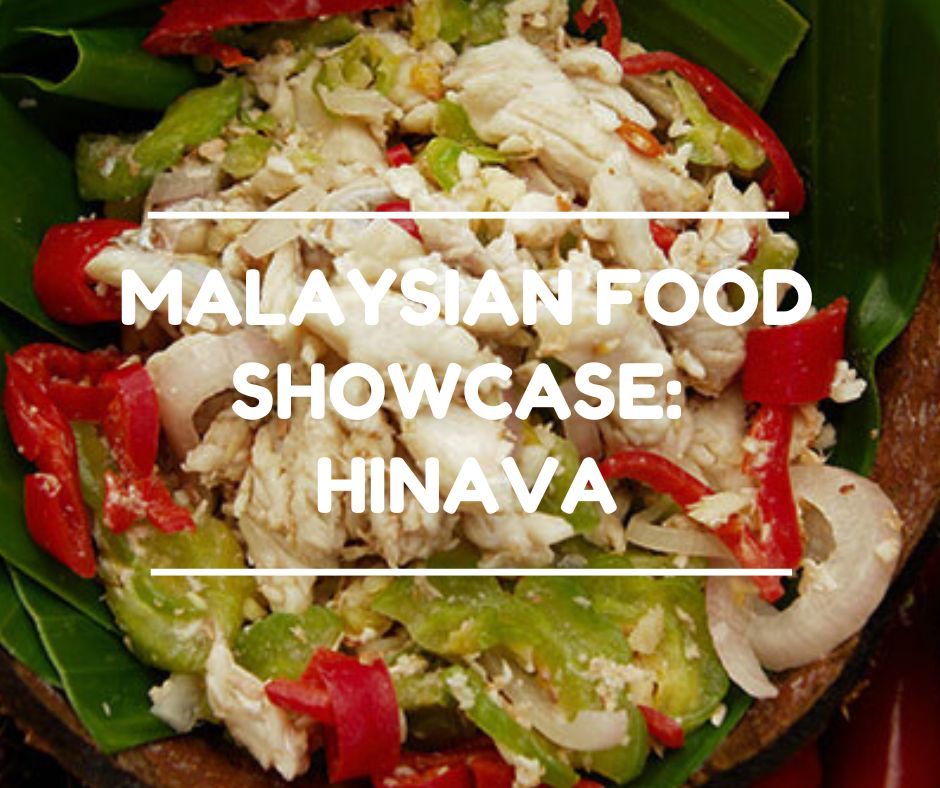
Hinava: The Iconic Raw Fish Salad of Sabah
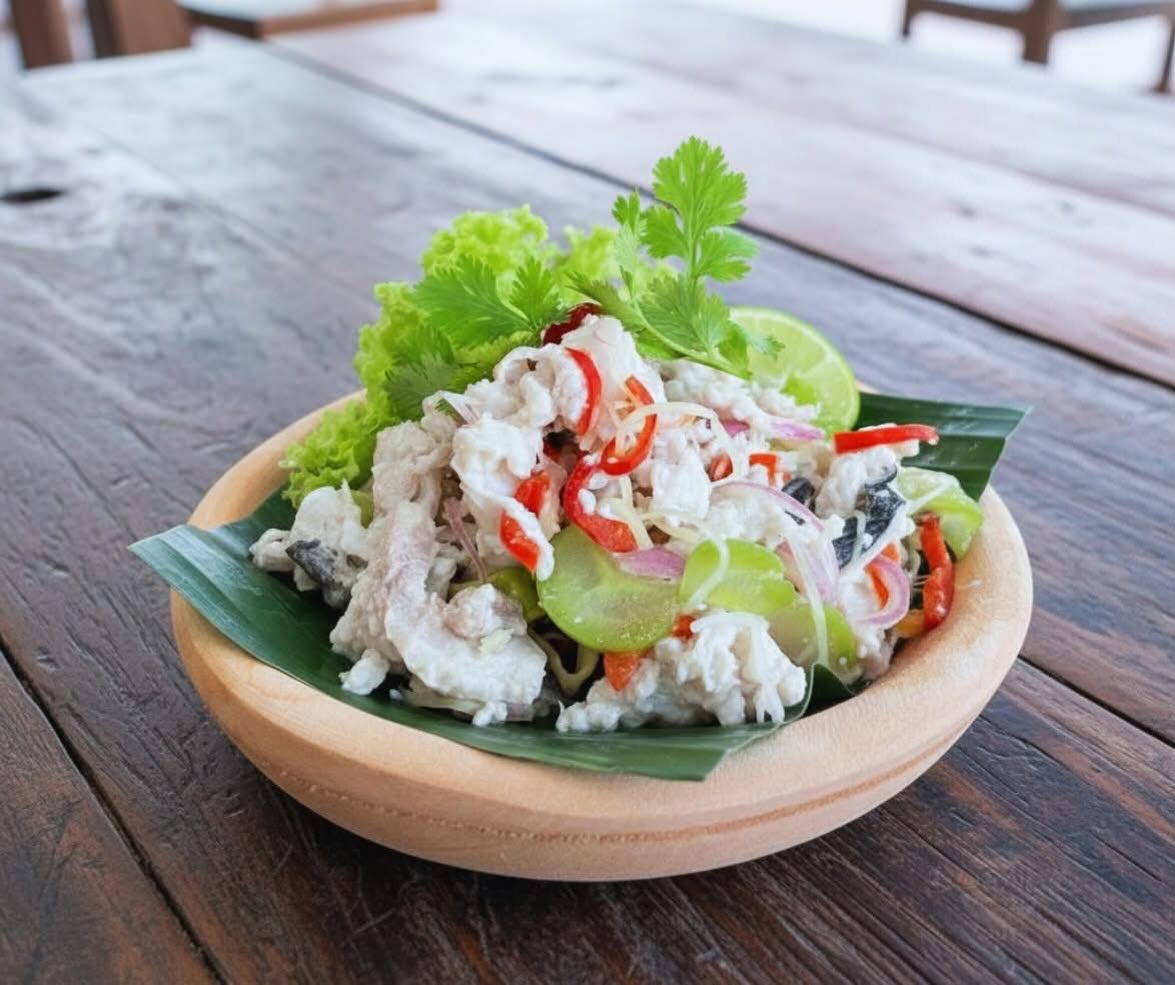
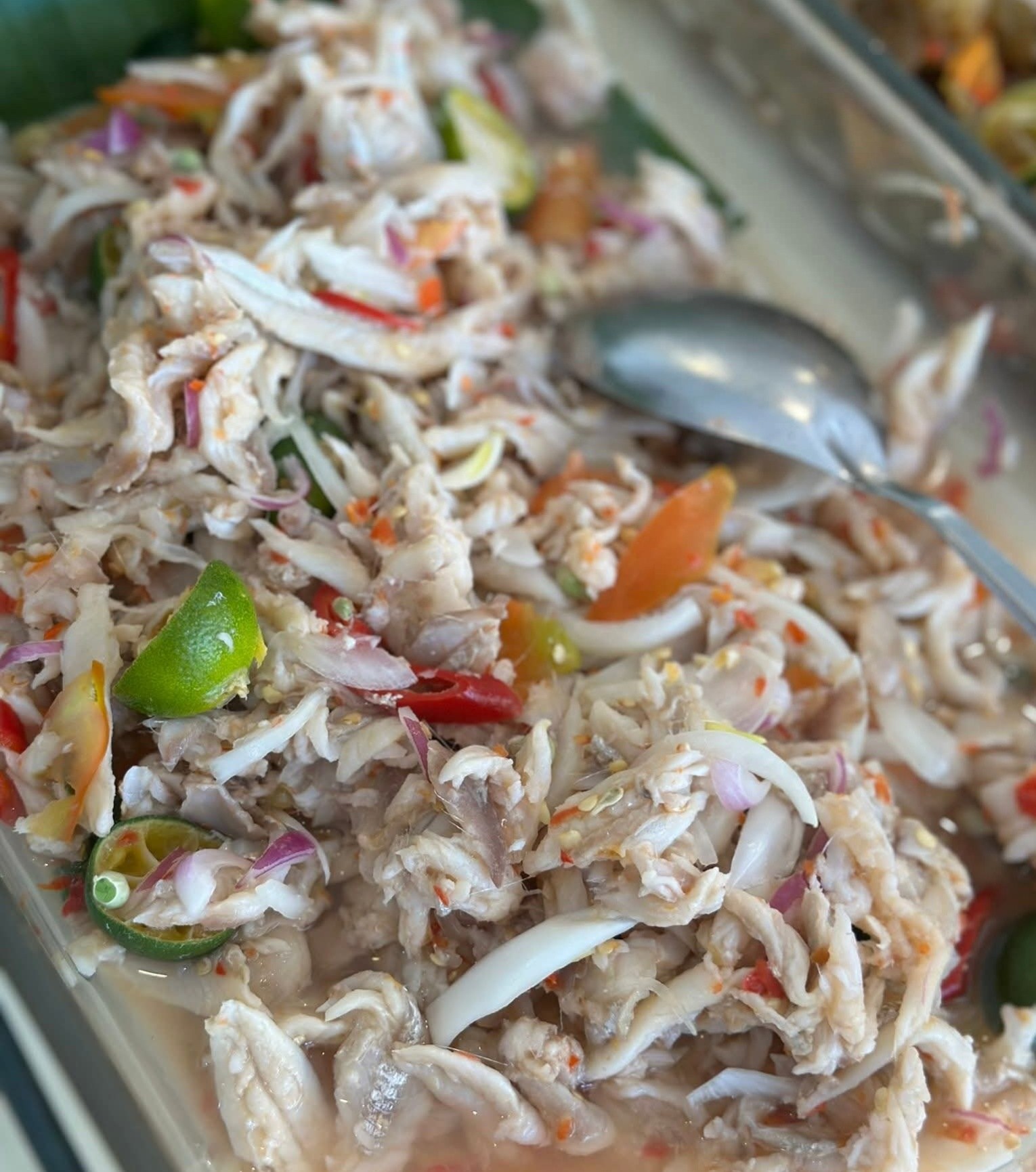
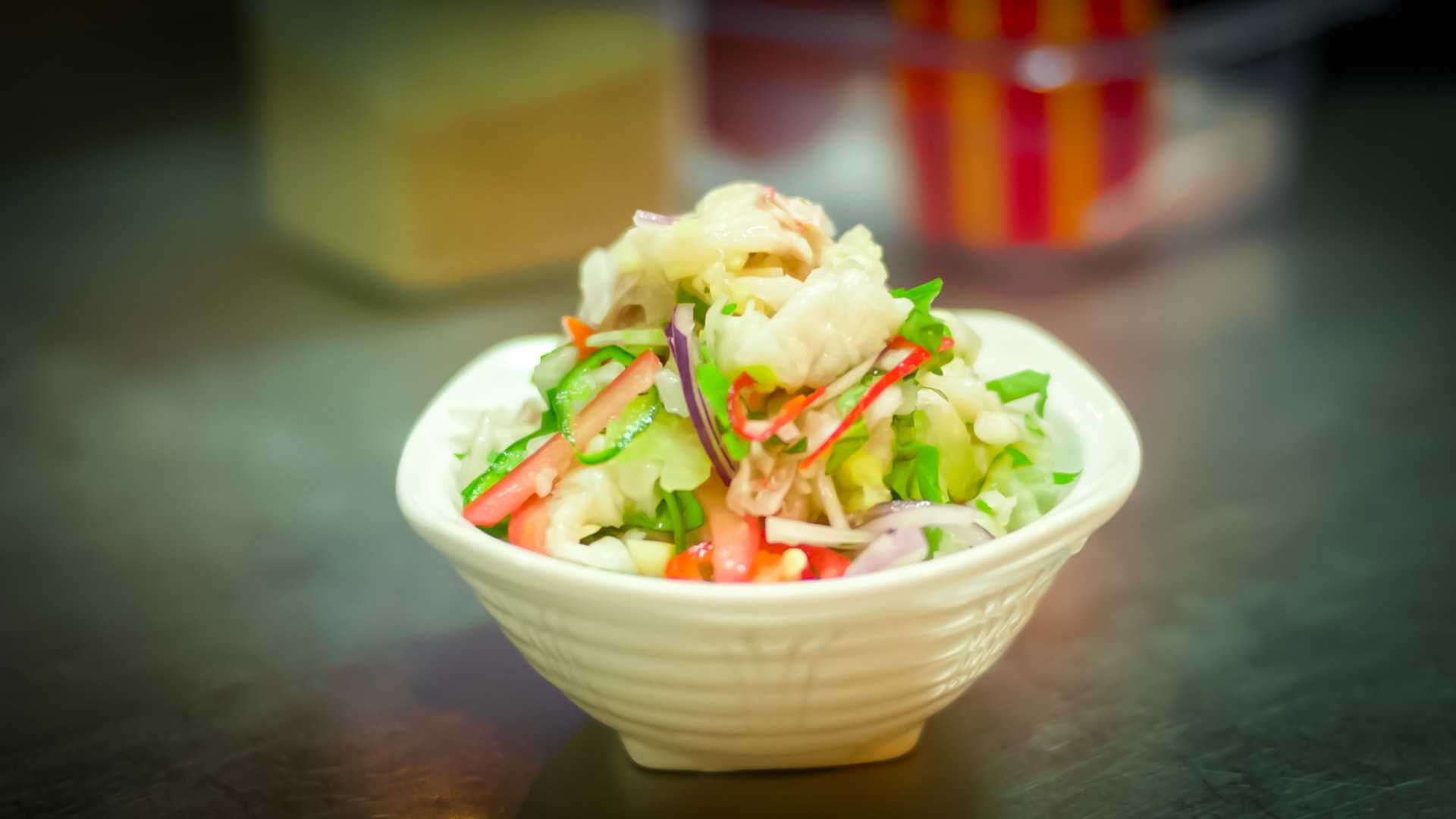
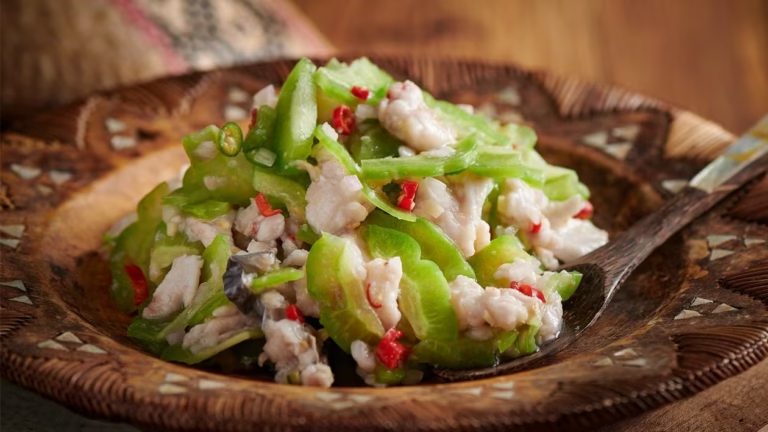
Hinava is Sabah’s iconic raw fish salad, deeply rooted in the traditions of the Kadazandusun community. Often described as a “naturally cooked” seafood dish or ceviche, it features fresh fish cured in lime juice rather than heat. You will most commonly encounter it during Tadau Kaamatan, the Harvest Festival, though today it also appears in traditional restaurants and hotel spreads across Sabah. Served chilled and usually paired with hot white rice or linopot, Hinava sits proudly at the center of festive tables.
At its heart, Hinava begins with extremely fresh fish, most commonly tenggiri, known in Malay as ikan tenggiri and valued for its firm, lean flesh with minimal bones. The fish is sliced into small cubes and carefully cleaned. Then comes the transformation. A generous squeeze of limau kasturi or limau nipis is added, and slowly, the translucent flesh turns milky white. The acid denatures the protein, firming it up without fire. It is cooking, just not the way most of us are used to.
Into this citrus-cured fish go thinly sliced shallots, slivers of ginger, bird’s eye chilli, salt, and the ingredient that truly defines Hinava: grated bambangan seed. Bambangan is a wild mango native to Sabah, and its grated kernel lends an earthy, slightly bitter, almost nutty aroma that sets Hinava apart from similar raw seafood dishes. Some households add young mango strips for brightness, others include thinly sliced bitter gourd for a subtle bite. Each component is carefully balanced to create a harmonious and refreshing dish that feels both sharp and clean on the palate.
For the Kadazandusun people, Hinava is more than a salad. It is a marker of identity. Traditionally, it was prepared for weddings, engagements, harvest celebrations, and important communal gatherings. During Kaamatan, large platters of Hinava are shared among family and guests, representing abundance from the sea and gratitude for the land’s harvest. In 2009, Hinava was formally recognized as a National Heritage Food under Malaysia’s Intangible Heritage list, affirming its cultural importance.
It is often compared to Sarawak’s Umai, particularly among the Melanau community. Both dishes rely on lime juice to cure raw seafood. The difference lies in character. Umai commonly includes sugar for sweetness, while Hinava leans on grated bambangan seed for depth and a faintly resinous fragrance. The result is less sweet, more earthy, and distinctly Sabahan.
Because it is lime-cured rather than heat-cooked, Hinava has a short shelf life. It is best eaten within a few hours of preparation. That immediacy is part of its charm. It demands freshness, clean handling, and respect for the ingredients. When done properly, there is no strong fishy smell, only a bright citrus aroma and the gentle warmth of ginger and chilli.
Today, you can find Hinava in Kadazandusun specialty restaurants, selected local eateries, and hotel buffets in Sabah. Some versions substitute the fish with prawns or squid, while others experiment with different local fish such as alu-alu or yellowstripe scad. But the soul of the dish remains the same.
If you ever get the chance to try it in Sabah, have it with steaming hot rice. Let the warmth of the rice contrast with the cool, tangy fish. That interplay of temperature, texture, and acidity is what makes Hinava memorable. It is fresh, sharp, and deeply rooted in place. A dish that tastes like coastal Sabah itself.
1 Response
[…] quick side note helps with confusion. People often compare Umai to Hinava from Sabah’s Kadazandusun community. Both are raw seafood salads, cousins rather than twins. […]