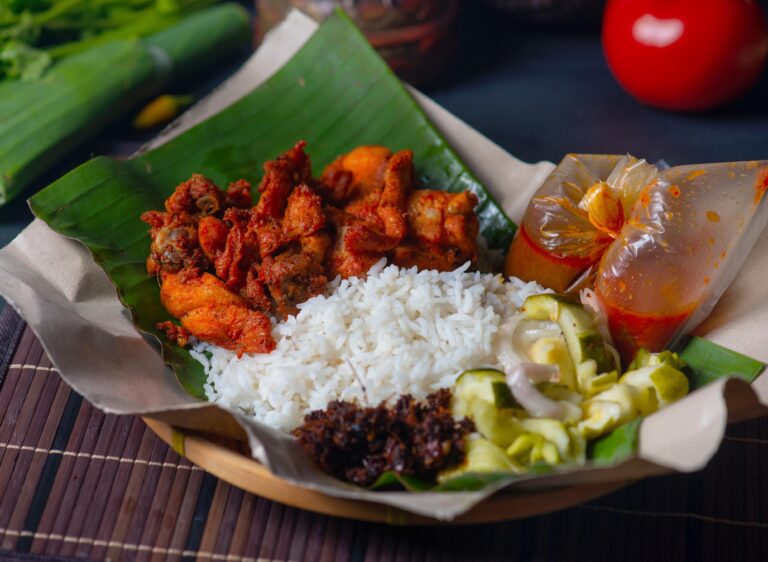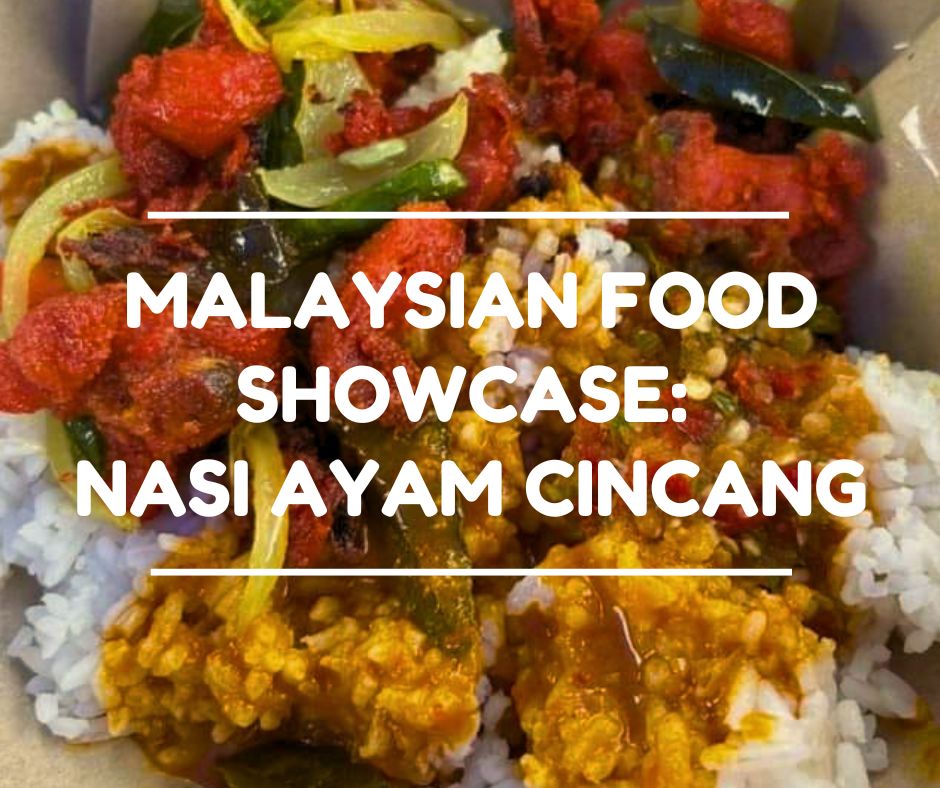
Nasi Ayam Cincang: The Saucy Chicken Rice of Kelantan
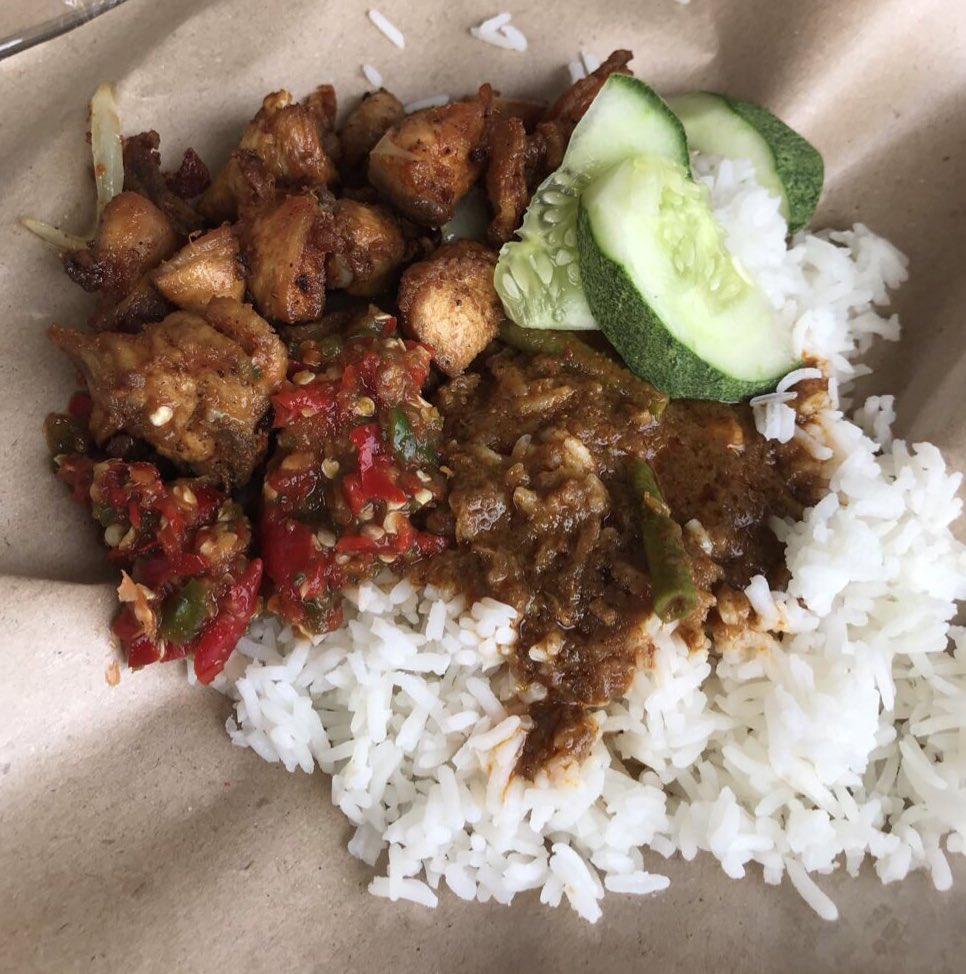
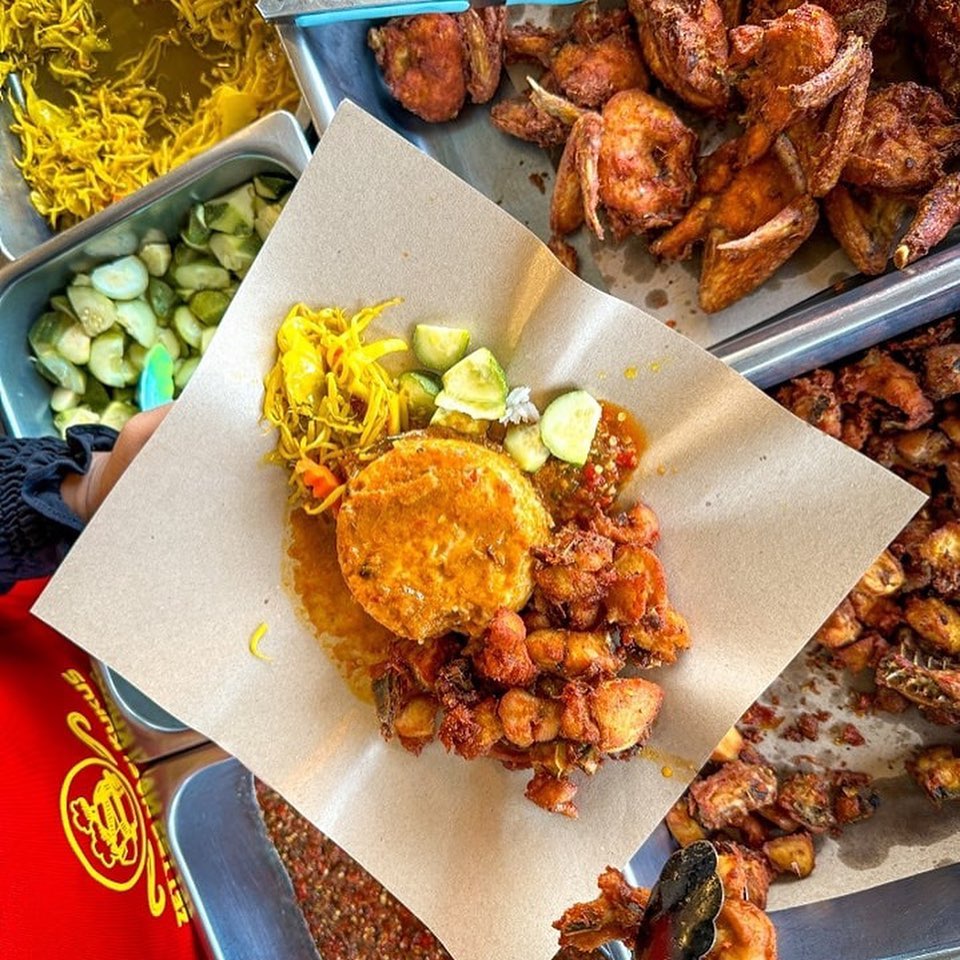
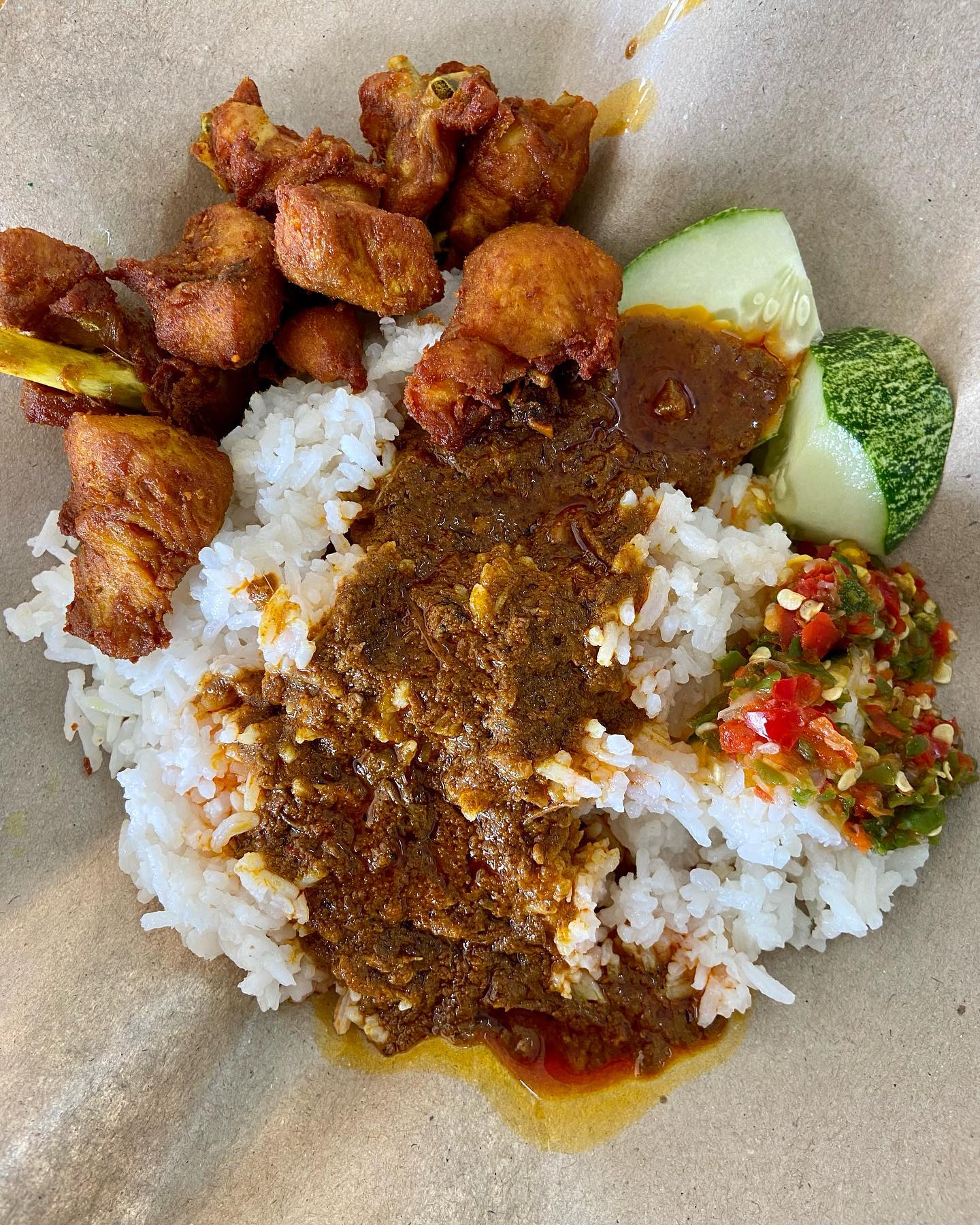
Nasi Ayam Cincang, more famously recognised through the legacy of Nasi Kak Wok, is one of the most iconic street foods to emerge from Kelantan. At its core, the dish sounds deceptively simple: hot white rice topped with chopped fried chicken, drenched in gulai, and paired with sambal belacan. But simplicity is exactly what gives this meal its staying power. Every component exists for function, comfort, affordability, and flavour.
Back in the day, this was not considered trendy food. It was everyday food. Food for students, labourers, market workers, and families looking for something filling without spending much. The dish became especially associated with Kota Bharu, where roadside stalls and humble warungs built loyal followings long before social media turned it into a nationwide phenomenon.
The story most people trace back to begins with Mek Wok Hassan, affectionately known as Kak Wok, who started selling the dish around the 1970s in Kampung Lundang. Some oral accounts place its explosive popularity in the 1980s, when locals began travelling specifically for her rice packets. What made her version different was not luxury ingredients or secret techniques. It was practicality.
Instead of serving whole fried chicken pieces, she chopped the chicken into smaller fragments after frying. This allowed portions to stretch further and made the dish more affordable for schoolchildren and working-class customers. The method also changed the eating experience entirely. Small crispy shards of chicken absorbed the curry better, mixed more evenly with the rice, and created that signature oily-spicy balance people still crave today.
That chopping style eventually became the identity of the dish itself.
In Malay, the name breaks down very literally. “Nasi” means rice, “ayam” means chicken, and “cincang” refers to meat chopped into small pieces. Interestingly, there is actually linguistic debate around the spelling. Some Malay language scholars argue the technically correct term should be “cencang”, not “cincang”, when referring to chopped meat. According to traditional Malay usage, “cincang” historically referred to a type of plant. Yet in everyday food culture, “ayam cincang” became so widely accepted that the alternative spelling rarely appears outside language discussions.
The preparation itself remains beautifully straightforward. The chicken is typically marinated with kunyit, curry powder, salt, and sometimes flour or egg for extra crispness. It is then deep-fried until deeply golden and fragrant before being aggressively chopped with a cleaver into rough bite-sized pieces. Some vendors use bone-in chicken for extra flavour, while newer urban stalls prefer boneless versions for convenience.
Then comes the gulai, arguably the soul of the dish. Unlike thick Indian-style curries or heavy gravies, Kelantanese gulai for Nasi Ayam Cincang tends to be thinner and lighter in texture while remaining intensely aromatic. Santan forms the creamy base, while ingredients like bawang merah, garlic, ginger, serai, galangal, and curry spices slowly build depth. Some stalls enrich the pot further using chicken scraps, drippings, or beef trimmings. The result is a pale-yellow curry that looks gentle but carries rich savoury warmth underneath.
And then there is the sambal belacan. Sharp. Fermented. Fiery.
Fresh cili padi and red chilies are pounded together with toasted belacan before lime juice or vinegar cuts through the richness. This sambal is not merely a side condiment. It is the balancing mechanism that prevents the dish from becoming too heavy. The sourness brightens the santan-rich gulai while the heat wakes up the palate immediately.
Each component is carefully balanced to create a harmonious and satisfying meal.
Traditionally, the dish is packed bungkus-style using brown waxed paper. This part matters more than many people realise. Once wrapped, the hot gulai, sambal, rice, and fried chicken oils slowly merge together inside the paper packet. By the time customers open it, the rice has absorbed everything. The bottom layer becomes soaked with curry while the chicken softens slightly but still retains crispy edges. That mixed, almost chaotic texture is considered the authentic experience by many Kelantanese regulars.
Some even insist it tastes better after sitting wrapped for a few minutes.
Eating it with the hand is also part of the culture surrounding the dish. Especially along the East Coast, customers commonly spread open the paper packet directly on the table and eat using the right hand, allowing the rice, curry, sambal, and chicken to mix naturally. It is messy, oily, spicy, and strangely therapeutic.
As migration from the East Coast increased, the dish travelled too. Kelantanese communities living in Selangor and the Klang Valley began opening stalls selling their hometown comfort food. Eventually, Nasi Kak Wok style meals became common in places like Cyberjaya, Dengkil, Shah Alam, and Kuala Lumpur. Long lunch queues formed around tiny roadside stalls serving nothing more complicated than rice, chopped chicken, gulai, and sambal.
Its affordability played a massive role in that expansion. The ingredients were inexpensive, preparation could be scaled easily, and portions remained filling. For small entrepreneurs, the business model worked. For customers, it became dependable comfort food.
But popularity also brought complications. As the “Nasi Kak Wok” name exploded commercially, many unrelated vendors began using the branding despite having no connection to the original family business. The descendants of Kak Wok eventually pursued trademark protection through MyIPO to preserve authenticity and prevent public confusion. This is one reason why many newer stalls shifted toward using generic names like “Nasi Ayam Cincang” instead.
Today, authentic branches in Kelantan reportedly display logos featuring the founder herself as proof of originality.
Of course, once a dish spreads nationally, variations inevitably appear. Some urban versions replace the traditional pale gulai with thicker dalca or darker meat curry. Others add telur mata, boiled eggs, cucumber slices, or extra crispy flour-coated chicken. There are even modern “ayam cincang crispy” versions using finely minced chicken coated in tempura-style flour for exaggerated crunch.
Confusion also exists with Thai cuisine. In many Malaysian Thai restaurants, Pad Kra Pao Gai is sometimes translated as “Nasi Ayam Cincang Thai”. Despite the similar wording, it is an entirely different dish involving stir-fried minced chicken with holy basil, soy sauces, and chilies rather than curry-soaked rice.
Nasi Ayam Cincang is also frequently compared with Nasi Kukus Ayam Berempah. Both feature rice and fried chicken, but the structure differs greatly. Nasi Kukus usually serves a whole spiced chicken portion alongside steamed rice and thicker curry gravy, while Nasi Ayam Cincang revolves around chopped fragments mixed directly into the rice itself. It also overlaps culturally with Nasi Berlauk, the broader East Coast breakfast rice tradition involving rice served with various gulai and side dishes.
Today, the dish continues thriving across Malaysia. You will find it at roadside warungs, food trucks, lunch stalls, Ramadan bazaars, and East Coast specialty restaurants. Some stalls modernise the presentation, but the essence remains stubbornly unchanged: hot rice, chopped chicken, curry flooding the packet, and sambal that hits almost immediately.
And honestly, that is probably why the dish endures. No fancy plating. No unnecessary reinvention. Just warm rice stained yellow with gulai, crispy chicken hacked apart with a cleaver, and sambal powerful enough to make your forehead sweat slightly after the first few bites. Sometimes the best Malaysian food traditions are the ones that stay closest to the roadside.