Mentarang: The Muddy Coastal Treasure of Perlis & Selangor
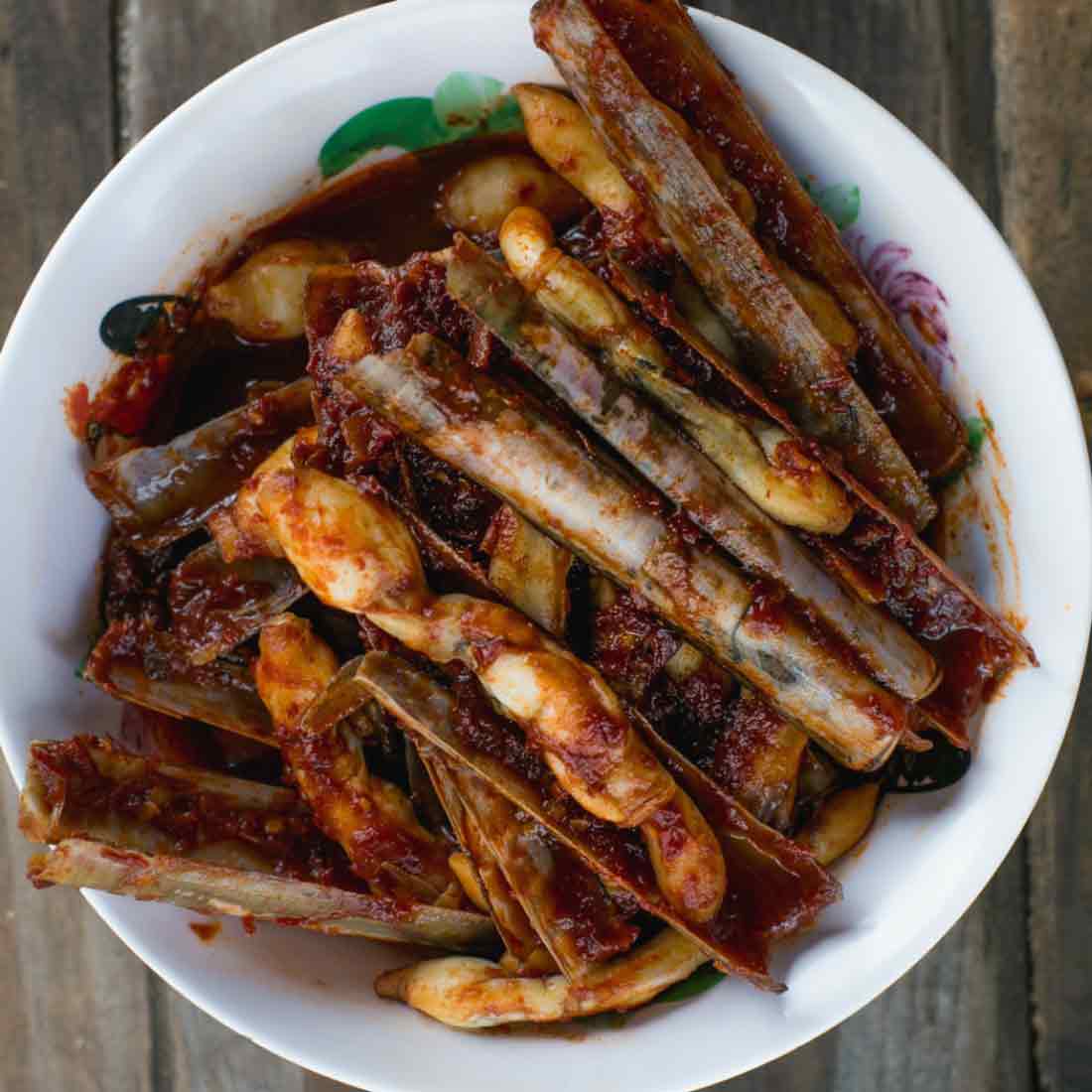
Mentarang, is one of those strange Malaysian shellfish that many people have seen sold by the roadside but never properly understood. Scientifically known as Pholas orientalis, it is sometimes called 东方海笋 (“Oriental sea bamboo shoot”) among Chinese seafood lovers. Mentarang is a type of soft-fleshed shellfish thrives in muddy coastal seabeds and is especially associated with Kuala Perlis, Kuala Sungai Baru, Sabak Bernam and the coastal stretch around Sekinchan.
Unlike cockles or mussels harvested offshore, Mentarang hides deep beneath thick coastal mud, sometimes thirty to fifty centimetres below the seabed. It only appears in specific muddy shorelines with cooler waters, which is why locals often say genuine Mentarang can only really be found around Kuala Perlis and parts of Selangor’s west coast. In Perlis especially, the shellfish has become so symbolic of local coastal identity that an actual Mentarang sculpture now stands along the road near Kurung Tengar, welcoming travellers heading toward Kuala Sungai Baru.
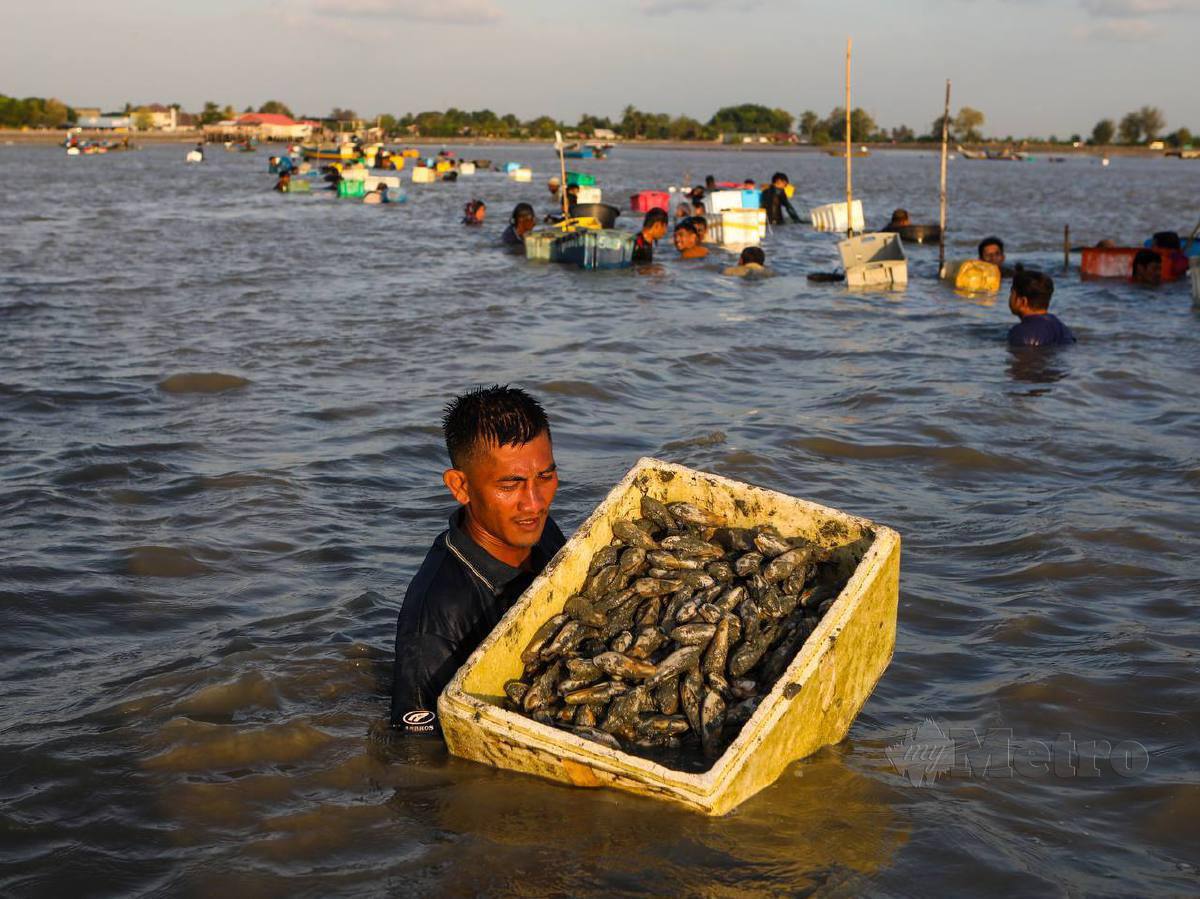
But what truly makes Mentarang fascinating is not just the shellfish itself. It is the culture surrounding it. During the northeast monsoon season, when rough seas prevent fishermen from going out to deeper waters, entire fishing communities suddenly shift toward what locals call selam mentarang. At low tide, usually around dawn or late evening, hundreds of villagers descend into muddy coastal waters carrying modified water barrels, styrofoam boxes, and floating containers. The scene reportedly resembles a festival more than work. Old fishermen, teenagers on school holidays, mothers, neighbours, everyone joins in.
The harvesting method itself is almost entirely based on instinct and experience. The water is usually too murky to see through, so collectors slowly walk barefoot across the seabed feeling for Mentarang shells beneath the mud with their feet. Once detected, they take a deep breath and dive underwater, often between 0.9 to 1.2 metres deep, retrieving the shellfish entirely by hand without breathing equipment. Some areas require divers to move as far as 1.5 kilometres away from shore. It sounds simple until you remember they are doing all this while half-sinking into soft coastal sludge.
Back in the day, this seasonal activity became an important survival income for fishermen unable to catch fish during monsoon months. Some harvesters reportedly managed to collect up to 50 kilograms a day, with entire coastal communities collectively landing several tonnes during peak season. Even teenagers joined in for pocket money instead of loitering during school holidays. Many Perlis youth described initially being terrified of the muddy seabed, only to become addicted to the excitement once they successfully found their first few Mentarang beneath the mud. That emotional attachment still exists today.
Mentarang itself is visually unusual. The shell is extremely thin and brittle, often cracking with slight pressure. Inside is soft pale flesh that many compare to a miniature geoduck clam or an even softer oyster. The texture is perhaps its most divisive trait. Some diners love how creamy, slippery and tender it is. Others find it almost too soft. One reviewer even described it as “the softest shellfish” they had ever eaten, softer than oysters. When grilled properly, the flesh becomes juicy, briny and intensely oceanic, carrying what Malaysians often simply call “the taste of the sea”. And grilling is by far the most iconic way to eat it.
If you regularly drive along the coastal roads near Sekinchan, you’ve probably seen temporary roadside tents appearing during mentarang season. Big handwritten signs reading “Mentarang Bakar” suddenly pop up beside highways, usually between Sungai Besar and Sekinchan. They are not permanent stalls. They appear almost seasonally, depending on harvest availability and low tide conditions. That unpredictability is part of the culture. Sometimes there are many stalls. Sometimes none at all.
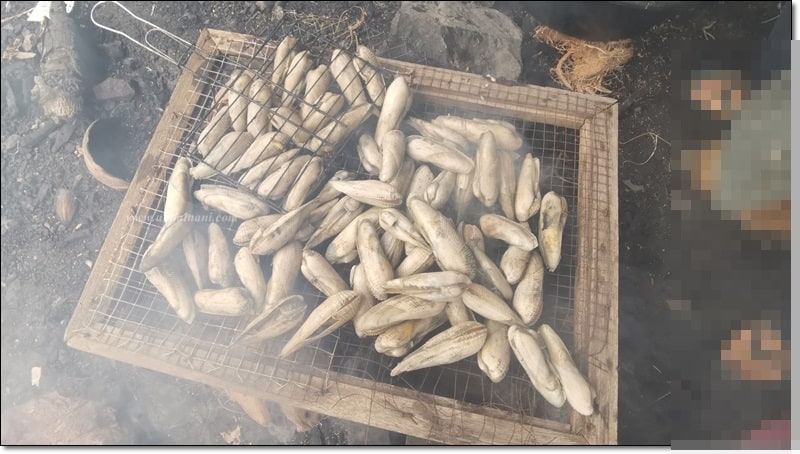
Most roadside vendors grill the shellfish over charcoal or coconut husks without heavy seasoning. The shell is simply placed over fire until it naturally opens. No sauces. No butter. No cheese overload. Just smoke, seawater sweetness, and natural juices trapped inside the shell. Some people dip it into tamarind sauce afterwards, while others insist the original flavour should never be disturbed.
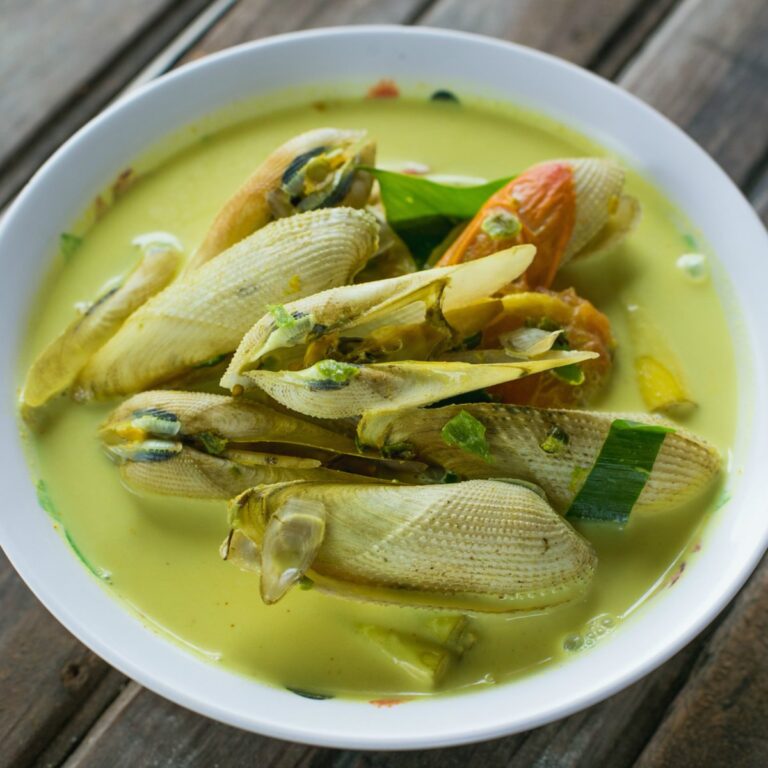
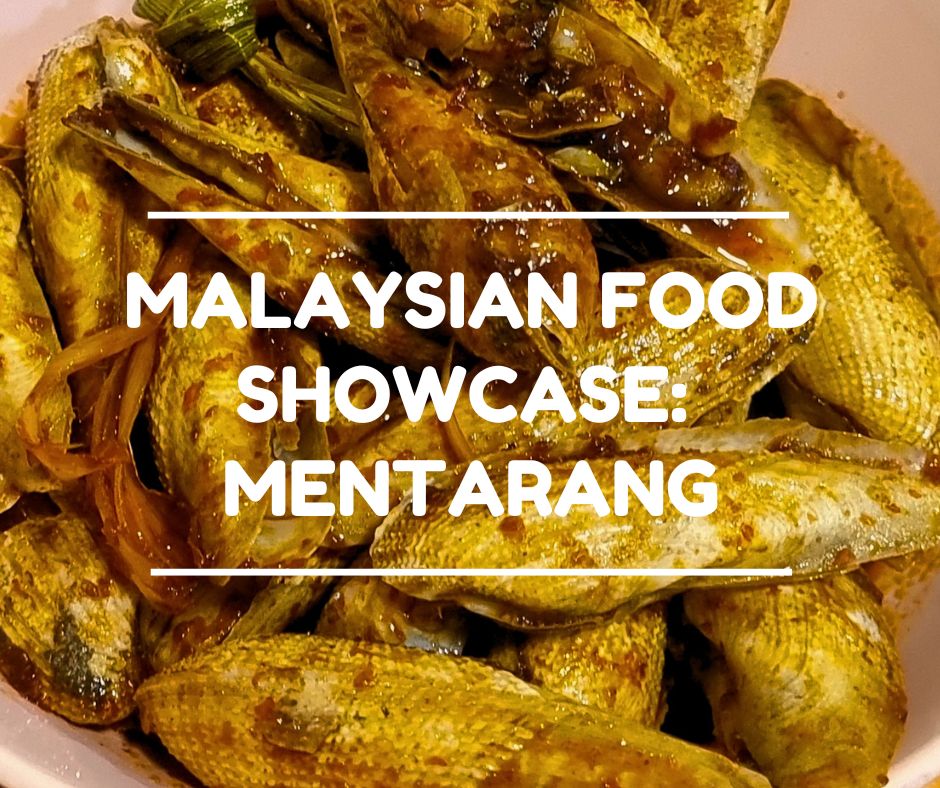
Still, Mentarang is not limited to grilling. In Perlis, locals also cook it in spicy sambal, fry it in batter, stir-fry it with bird’s eye chilli, or simmer it in rich coconut gravy, masak lemak-style. Older villagers especially enjoy kerabu Mentarang mixed with umbut pisang (banana pith), giving the dish an earthy crunch against the shellfish’s soft texture. Some home cooks even use cleaned Mentarang in vermicelli claypot dishes, allowing the juices to soak directly into the noodles.
Cleaning however is serious business. Because Mentarang lives buried in mud, experienced cooks usually soak them in saltwater first to purge sand before scrubbing the shells thoroughly with brushes. Several people specifically warn against eating roadside grilled Mentarang without proper cleaning, recalling unpleasant sandy experiences from poorly prepared batches. Fresh Mentarang straight from the mud can be extremely dirty despite how delicate the shell looks.
And delicate it truly is. The shell is paper-thin compared to most shellfish. Press too hard and it cracks instantly. Yet inside sits flesh prized enough that roadside stalls today can charge premium tourist prices far above what fishermen themselves once sold them for in villages.
Ironically, despite being associated with Sekinchan roadside culture nowadays, some of the mentarang sold there reportedly comes from other coastal areas such as Bagan Datuk. The shellfish has slowly evolved from local fishermen’s side income into seasonal highway seafood culture.
At the same time, many locals quietly acknowledge that Mentarang is becoming rarer than before. Several reports mention declining populations due to environmental damage, disease, and human activity affecting muddy coastal ecosystems. Older harvesters in Perlis note that certain areas once overflowing with Mentarang have produced far smaller catches in recent years. Which honestly makes the experience feel even more fleeting now.
You do not eat Mentarang like luxury seafood in a polished restaurant. The best versions are still tied to muddy shores, monsoon mornings, smoke from roadside grills, wet plastic stools, and salty fingers prying open fragile shells beside the highway. That is the real Mentarang experience. Messy, seasonal, deeply coastal, and unmistakably Malaysian.