Kuih Penganan Jala: The Golden Lattice Snack of Sarawak
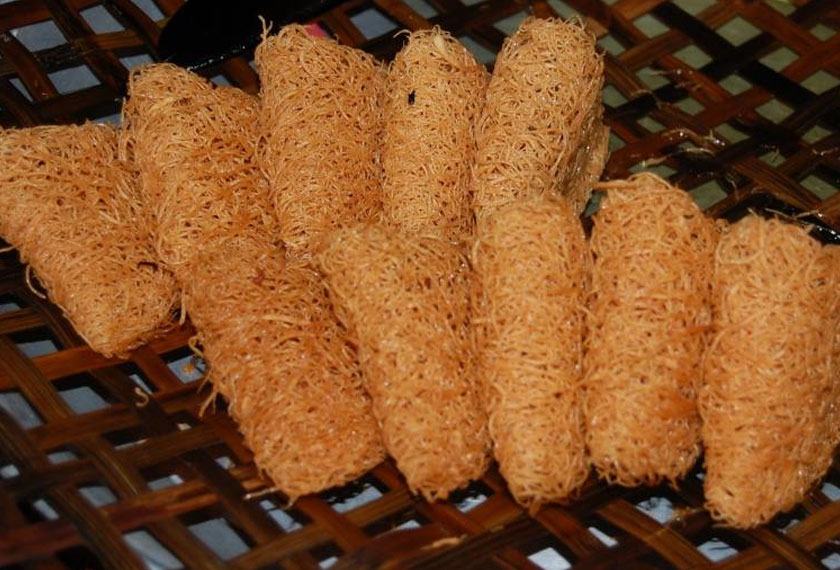
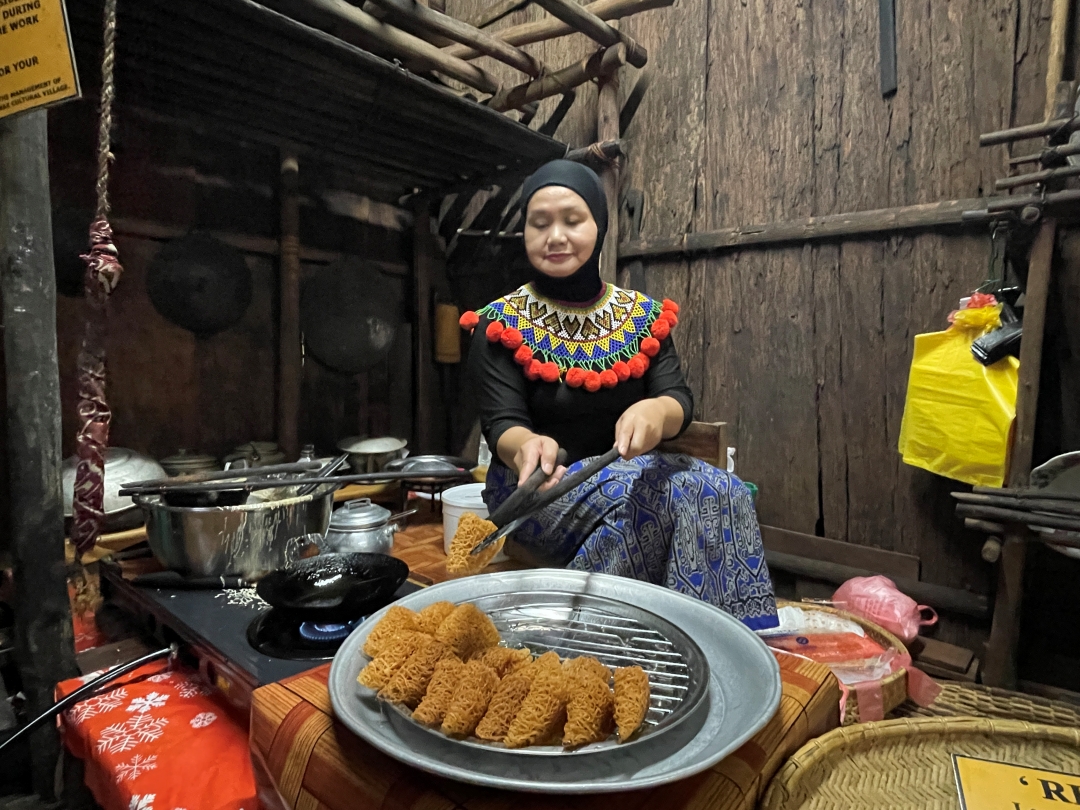
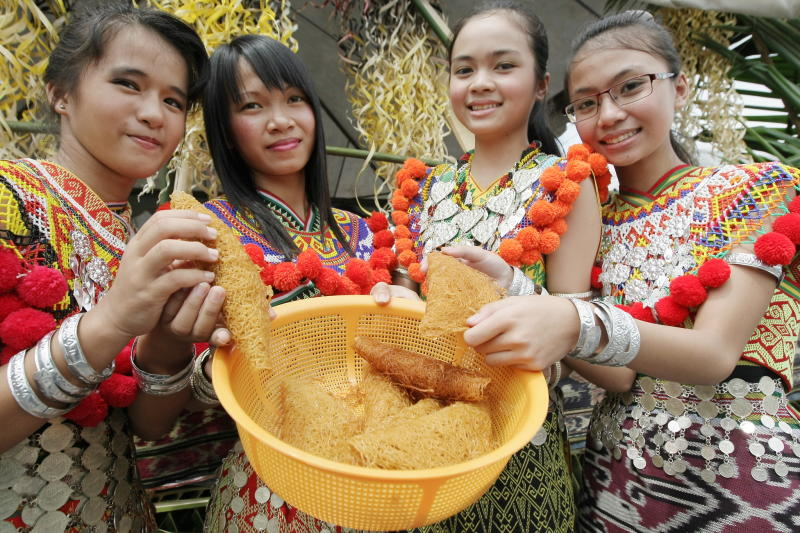
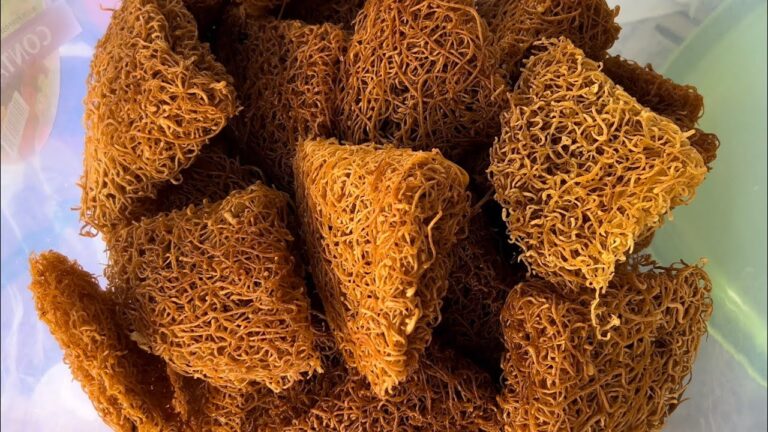
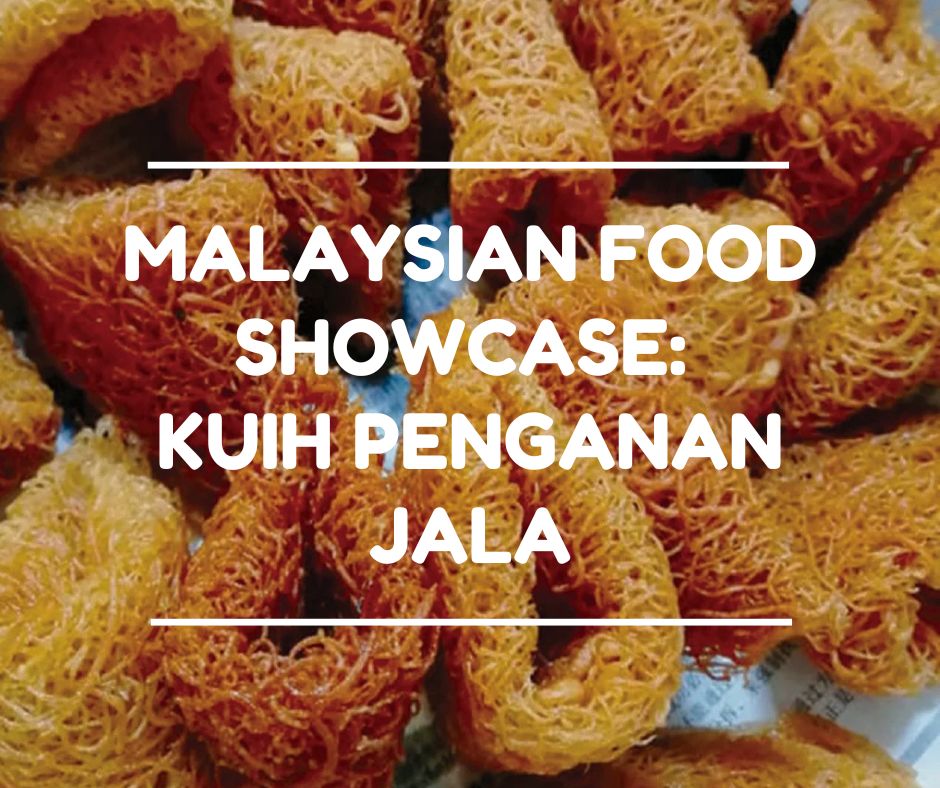
Kuih Penganan Jala, is one of the most instantly recognizable snacks that appears in countless homes whenever Hari Gawai Dayak approaches. Known variously as Kuih Jala, Kuih Sarang Semut, and Sarang Engkerawai, this delicate, golden-brown, net-shaped delicacy is made by drizzling a thin batter through a perforated mould into hot oil, creating intricate strands that resemble a fishing net. The result is light, crisp, and gently sweet, with a satisfying crunch that makes it difficult to stop at a single piece.
To an outsider, Kuih Penganan Jala may look similar to Kuih Karas from Kedah and other parts of Peninsular Malaysia. The ingredients are indeed almost identical, consisting primarily of rice flour, sugar, and water. Yet within Iban (and to some extent, Bidayuh) society, Kuih Penganan Jala occupies a very different cultural space. Every year as Hari Gawai draws near, longhouses across Sarawak begin preparing for one of the most important celebrations in the Dayak calendar. Families expect relatives and visitors from near and far. Rice wine (tuak) is prepared, homes are cleaned, and traditional foods are made in abundance. Among these foods, Kuih Penganan Jala holds a special place.
Older generations often describe a Gawai celebration without Kuih Penganan Jala as feeling incomplete. The kuih is so strongly associated with the festival that guests visiting a longhouse may instinctively look for it among the refreshments offered. Its presence signals celebration, hospitality, and respect for tradition.
Historically, the preparation of Kuih Penganan Jala was rarely an individual task. Instead, it was a communal activity involving women from multiple households. As the festive season approached, women would move from one room to another within the longhouse, helping one another prepare large quantities of the kuih. The process transformed kitchens into lively social spaces filled with conversation, laughter, and cooperation. This tradition of gotong-royong is one reason why the kuih became a symbol of togetherness. Although every family might serve the same snack, guests never grew tired of it. What mattered was not merely the food itself but the relationships and shared labour behind its creation.
The making of Kuih Penganan Jala also carried layers of customary beliefs and practices. In some communities, the process traditionally began with prayers or mantera seeking blessings from the petara, the spiritual beings revered in traditional Iban belief systems. These invocations were intended to ensure that the preparation proceeded smoothly and that the finished kuih would turn out well. Numerous pantang larang surrounded the process. Participants were discouraged from arguing, shouting, or speaking harshly while making the kuih. Such behaviour was believed to affect the quality of the finished product. The cooking area could not be left unattended before the work was completed, and children were often discouraged from playing near the preparation area because excessive noise was thought to interfere with the process.
Certain communities also restricted the participation of pregnant women or women in confinement. Violating these customs was believed to risk attracting tulah, a form of misfortune resulting from disrespecting established traditions. Tulah could manifest as illness or prolonged discomfort and often required traditional remedies or rituals to address. Today, many people interpret these practices as cultural heritage rather than literal beliefs. Nevertheless, they reveal the seriousness with which earlier generations approached food preparation. Making Kuih Penganan Jala was not a casual activity. It demanded patience, discipline, respect, and attentiveness.
The shape of the kuih itself carries symbolic meaning. In traditional Dayak society, rivers were central to daily life. Fishing provided an important source of food, and the “jala”, or fishing net, represented livelihood and sustenance. The net-like form is therefore often interpreted as a visual prayer for abundance. Just as a fishing net gathers fish from the river, the kuih symbolically expresses the hope that prosperity, good harvests, and blessings will continue to flow into the household. This symbolism helps explain why the kuih became associated with major celebrations and ceremonies. Beyond satisfying hunger, it embodied wishes for collective well-being and future prosperity.
Another important aspect of Kuih Penganan Jala is its role in preserving women’s knowledge within Iban society. Traditionally, the craft was passed from mothers and grandmothers to daughters through observation and practice rather than written recipes. A young girl would spend years watching older women prepare the batter, judge the temperature of the oil, and control the movement of the mould. The transmission of this knowledge was considered an important responsibility. The recipe itself was valuable, but equally important were the techniques, customs, and stories attached to it. Through learning to make the kuih, daughters inherited not only a culinary skill but also a connection to family history and community identity.
Today, Kuih Penganan Jala continues to evolve. Many families now produce it commercially, especially in the weeks leading up to Hari Gawai. Orders arrive from towns and cities, and the kuih is sold at wet markets, tamu markets, cultural fairs, and festive events throughout Sarawak. While some traditional customs are no longer observed as strictly as before, the kuih remains an important cultural marker. Modern production methods may be faster, but the essence of the kuih remains unchanged. The true significance of the kuih lies beyond its crisp texture and attractive appearance. Within every fragile strand is a story of longhouse life, women’s knowledge, communal labour, ancestral customs, and hopes for prosperity, preserved one generation at a time.