
Budu: The Liquid Pride of Kelantan
Budu is one of those foods that immediately tells you where you are. One whiff and you know. This is the east coast of Peninsular Malaysia, especially Kelantan, where budu is not just eaten, but lived with. It appears quietly on the dining table alongside rice, grilled fish, and ulam, yet it carries generations of coastal memory in its murky brown depths.
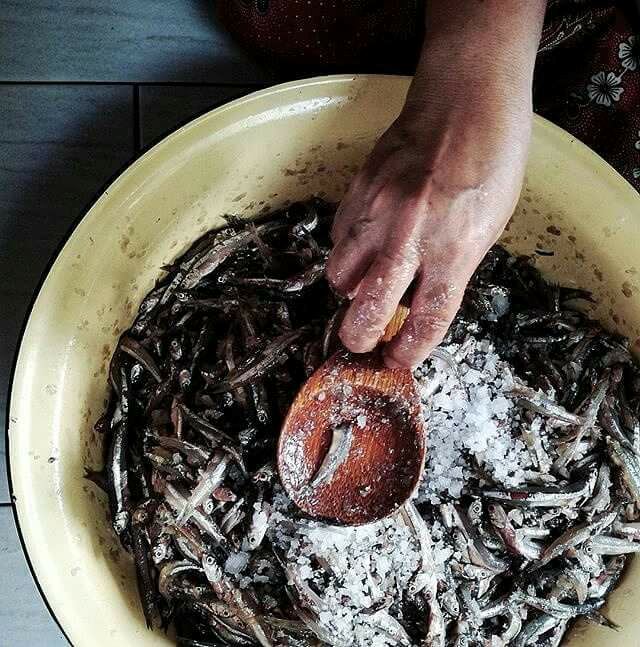
At its core, budu is fermented anchovy. Fresh ikan bilis are layered with coarse salt and left to rest for months, sometimes up to a full year. Time does the heavy lifting here. The anchovies slowly dissolve through natural fermentation, breaking down into a thick, savoury liquid rich in amino acids. The aroma can be confronting at first, sharp and marine, but the flavour is surprisingly rounded. Salty, deeply savoury, slightly sweet once mixed, and unmistakably alive.
Traditional producers, especially those making budu tempayan, rely on nothing more than anchovies, salt, patience, and instinct. Some modern versions are later cooked and balanced with tamarind and palm sugar, strained, and bottled for sale. Others are left raw and unfiltered, preferred by purists who want the full-bodied punch. Longer fermentation means stronger character. This is universally agreed upon.
Budu exists because it had to. Along the Kelantan coast, fishing communities needed a way to preserve protein through the monsoon season. Excess anchovies were too precious to waste. Salt and fermentation became survival tools, and over time, flavour followed function. By the 19th century, budu was already important enough to be documented in early Malay dictionaries. Long before branding or bottling, it was already part of the food language here.
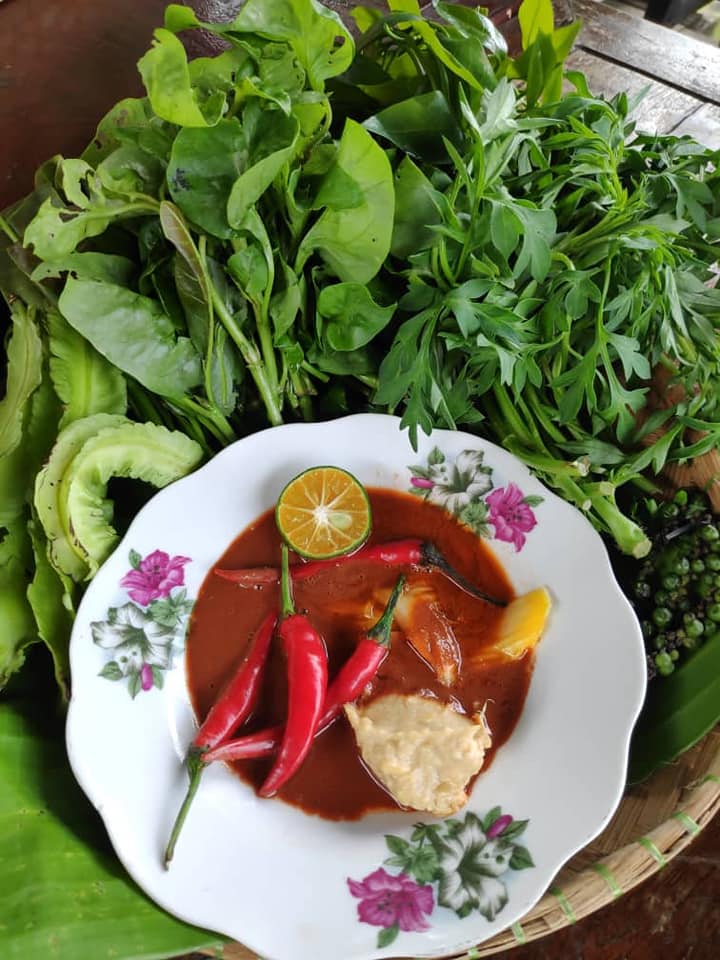
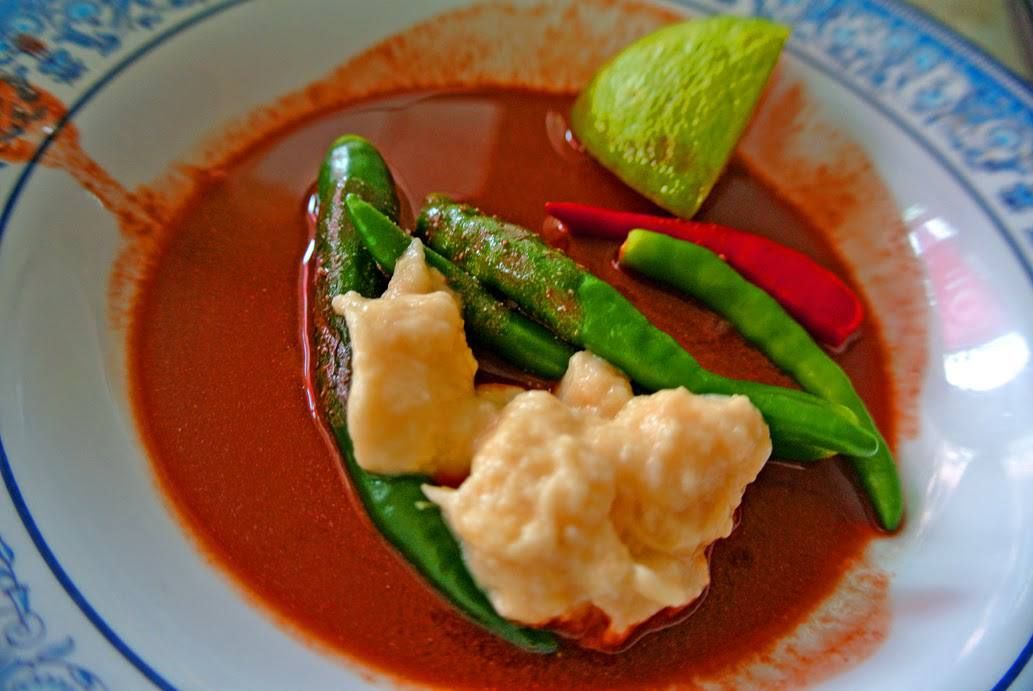
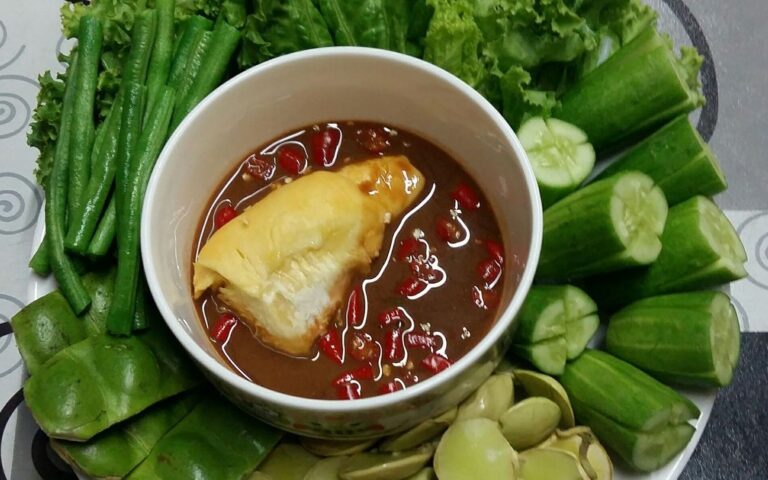
Despite often being grouped with fish sauces from other cultures, budu plays a different role. It is not something you cook with. It is something you eat with food. A condiment, yes, but closer to a lauk pelengkap. At the table, budu is mixed with sliced shallots, fiery cili padi, and a squeeze of limau nipis. Dip grilled ikan kembung into it. Spoon it over rice with ulam. Pair it with singgang, where its saltiness lifts the clean, herbal broth.
Ask Kelantanese locals and they will tell you. Budu must be made from anchovies. Anything else becomes pekasam. This distinction matters. It defines identity. It explains why budu inspires strong opinions, family loyalties, and even dikir barat lyrics. It is also why small producers like those in Kampung Geting continue making it the old way, supported by institutions but guided by inherited knowledge.
Today, budu appears everywhere from wet markets to Ramadhan bazaars. There are bottled versions, powdered innovations, and home-fermented jars tucked away in dark corners. Some people swear by its health benefits, citing protein, probiotics, and even anti-cancer potential. Others approach it cautiously due to its high sodium and uric acid content. Like many traditional foods, moderation is the quiet rule.
Budu may never aim for refinement. It is unapologetically bold. But eaten the right way, with rice, fish, and good company, it makes complete sense. This is food that grew out of necessity, stayed because of flavour, and remains because it belongs. If you want to understand Kelantan, start with a spoonful of budu.
1 Response
[…] Sambal Putik Pauh is a traditional dish from Kelantan, and even its name already tells you what to expect. In the local dialect, putik pauh means young or unripe mango. This sambal is built around that ingredient, finely chopped and mixed with fish and chillies, then eaten with hot rice. It is often served as a lauk pelengkap, meaning a supporting side dish, alongside fried fish, fresh herbs (ulam-ulaman), and fermented fish sauce known as budu. […]