Asam Rong: The Fermented Seed Paste of Pahang
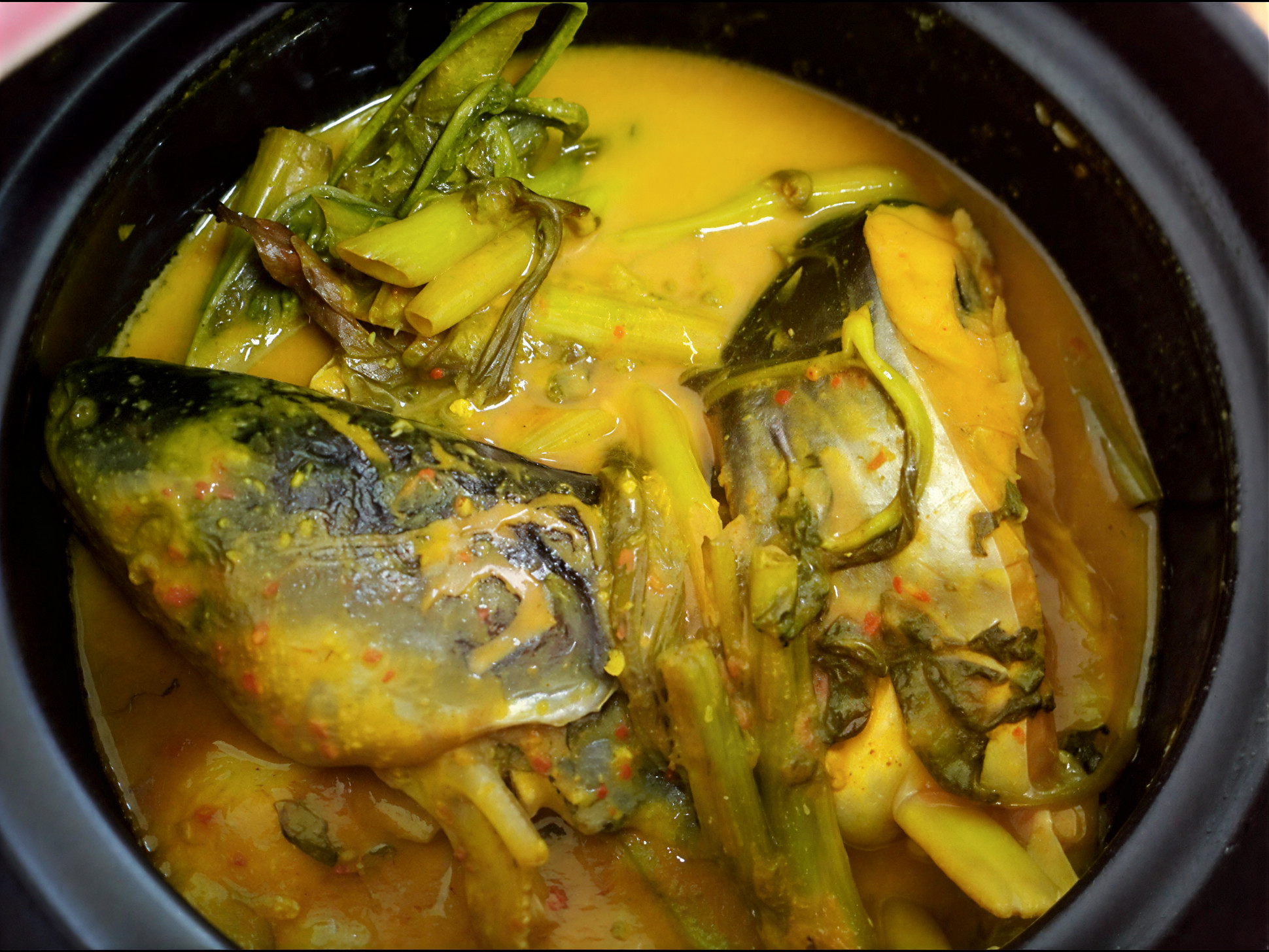
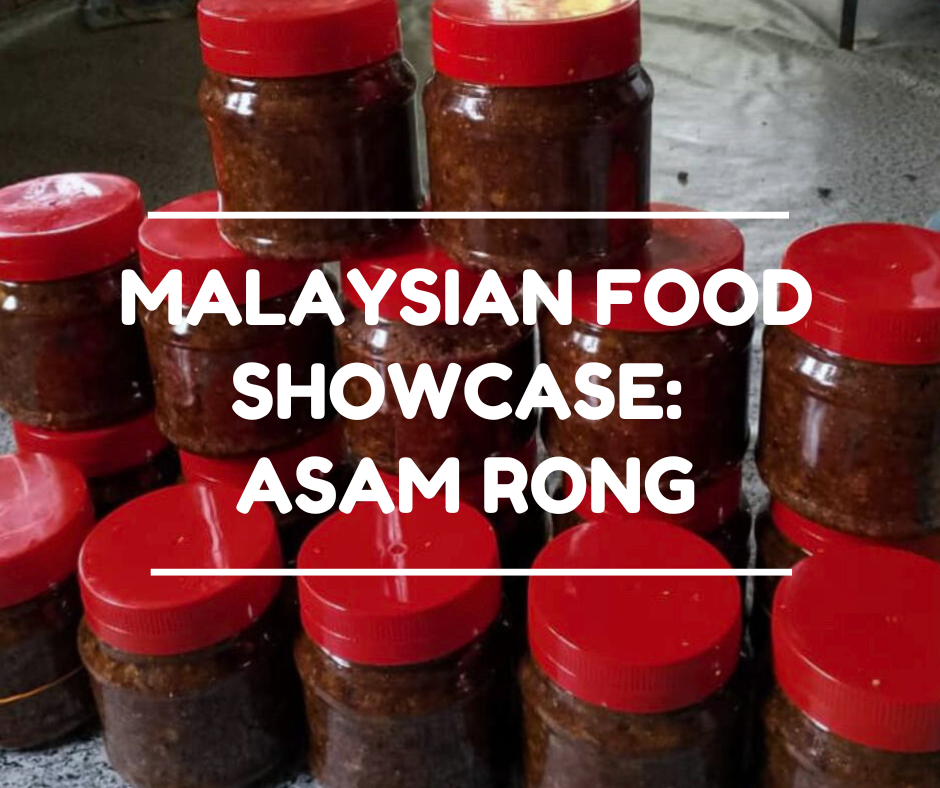
Asam Rong (also known locally as Asam Rum, Asam Rom, or simply Rong) is a traditional fermented condiment deeply rooted in the rural Malay communities of Pahang, especially in Jerantut. In different parts of Pahang Hulu and Tengah, it is also called Asang rong, Aseroq, or Asa ro, reflecting local dialects along the Tembeling River basin.
This is not a main dish and not a typical souring agent like tamarind. Asam Rong is a preserved cooking ingredient, usually in paste form, added by the spoonful to gulai, sambal, or vegetables, quietly shaping the flavour of many local dishes. It is especially associated with Pahang villages such as Kampung Ulu Tembeling, Kampung Kuala Tembeling, Kampung Kuala Tahan, and surrounding settlements, and has since spread to areas like Raub, Kuala Lipis, Maran, Bentong, and Kuantan.
What makes Asam Rong distinctive is its base ingredient. Traditionally, it was made from buah perah, a wild forest fruit found deep in dense jungle. As this fruit became increasingly difficult to obtain, villagers adapted the recipe using rubber tree seeds. This adaptation was practical rather than experimental. Jerantut and Hulu Tembeling are historically rubber-growing areas, and many families relied on rubber tapping as their main livelihood. When rubber trees bear fruit between roughly July and September, mature seeds fall naturally to the ground, making them an abundant and accessible resource.
The preparation of Asam Rong is slow and methodical, and details vary slightly between households and districts. Rubber seeds are collected only once they have fallen naturally, indicating maturity. The seeds vary in size and colour depending on the tree variety, ranging from about 20 to 35 millimetres, and appearing dark brown, black, reddish, or streaked. Their shells are hard, smooth, and slightly ridged.
Some households sun-dry the whole seed first for one to several days to allow the kernel to shrink, while others dry them for up to a week. Once ready, the shells are cracked open, often using a stone or wooden mortar, to retrieve the white inner kernel. These kernels are soft, elastic, and pale in colour when fresh. They are then dried again, sometimes for three to seven days, and in some accounts up to two weeks, until they are fully dehydrated, shrunken, and easy to pound.
After drying, the kernels are pounded. The aim is to break them down to a coarse, crumbly paste, similar to crushed beans or taucu. Some families pound the kernels dry, while others add a small amount of water. Certain versions include salt and chilli at this stage, while others keep the mixture plain. There are also accounts where the kernels are kneaded after pounding until oil begins to release, before fermentation.
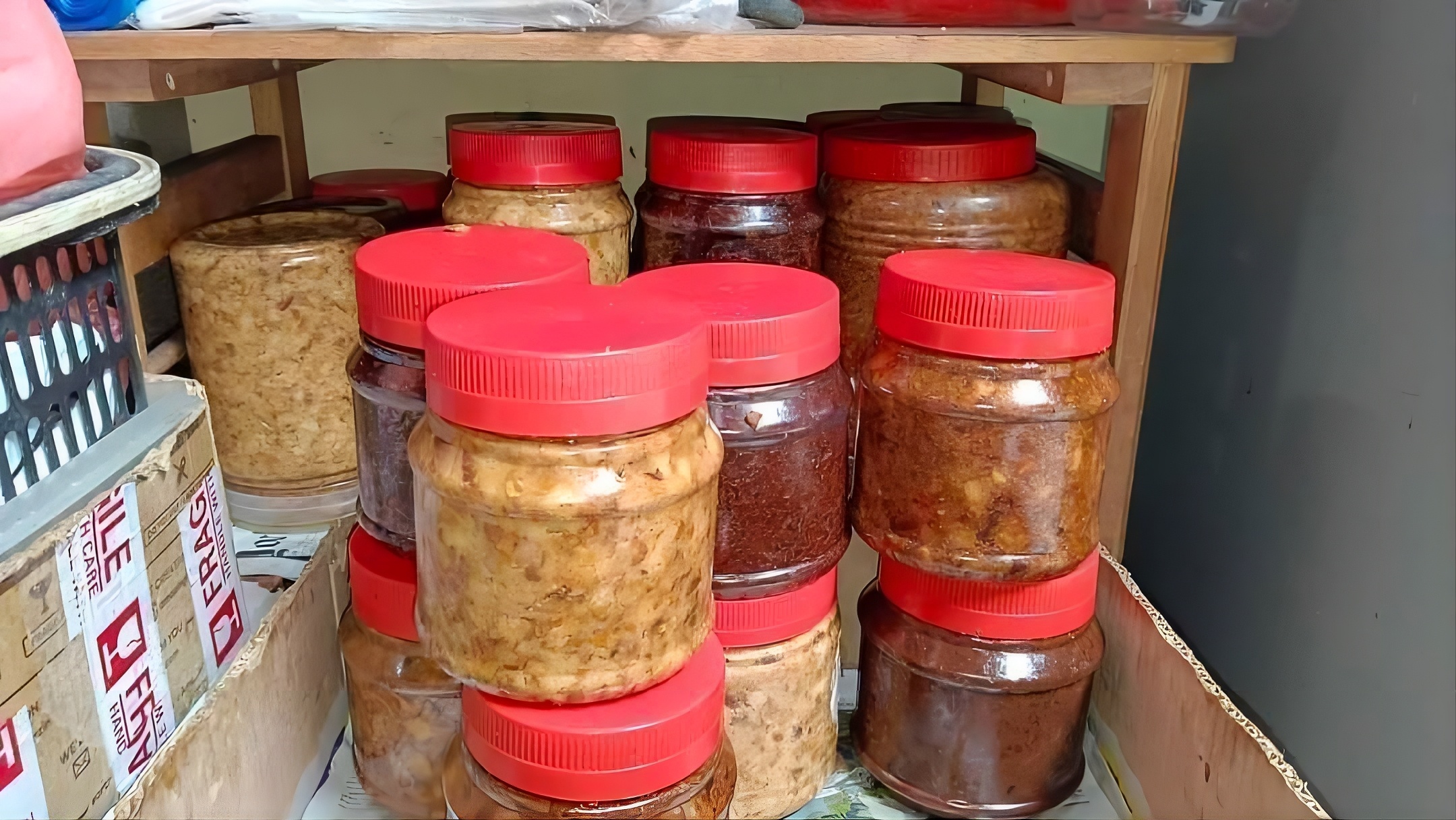
The pounded kernels are then stored in sealed jars, bottles, or earthenware containers and left to ferment in a dry place. Fermentation periods vary from several weeks to several months. When stored properly, some locals say Asam Rong can last for months without refrigeration, while others claim it can remain usable for years with its flavour intact.
The term “rong” comes from isi rong or isirong, referring to the inner kernel of the fruit. The word “asam” refers more to the preservation and storage method rather than the definition of having a sour flavour profile. Asam Rong is not sharply sour like citrus or tamarind. Multiple sources describe its taste as mildly bitter, astringent, with a creamy, nutty undertone developed through fermentation.
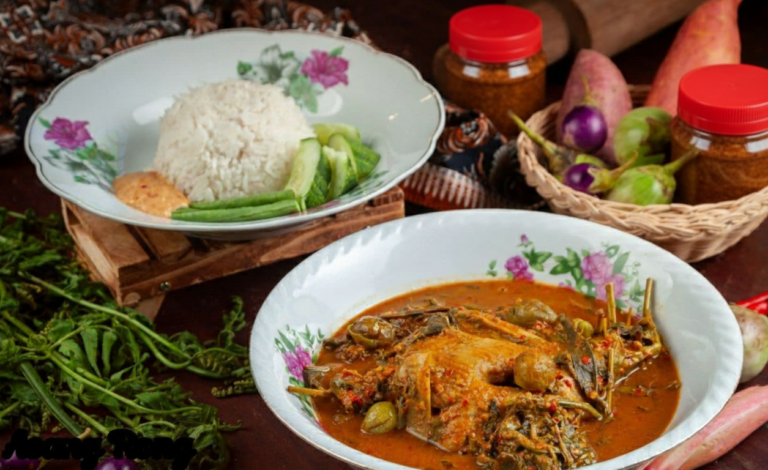
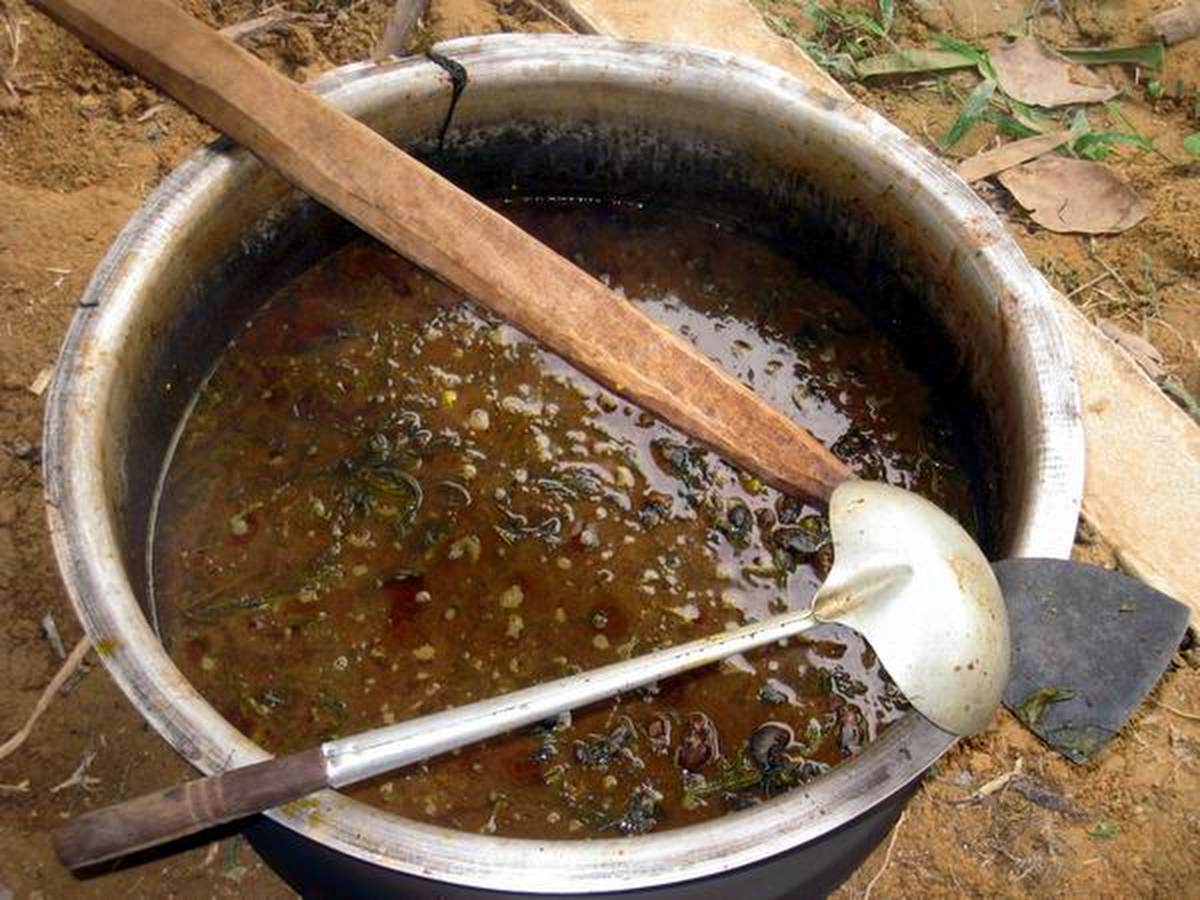
In cooking, Asam Rong is highly versatile. When added to fish curries, it is commonly paired with freshwater species such as baung, patin, kenerak, toman, and keli. These fish are known for their strong odour, and locals believe the astringent quality of Asam Rong helps neutralise this smell while enhancing the depth of the gravy. Dishes prepared this way are typically called Gulai Asam Rong, and the cooking method is similar to other Malay gulai, with Asam Rong added in small quantities, usually three to five teaspoons per pot.
Asam Rong is also used in sambal, including sambal cili and sambal belacan. In these preparations, it is often eaten with bitter raw herbs or ulam such as papaya shoots, pucuk paku, or fig fruit or “buah ara”. Some cooks mix it into simple vegetable dishes like kangkung, where its appearance can resemble vegetables cooked with fermented bean paste. Others adapt it further into stir-fries, meat dishes, or dried sambal with anchovies.
Reactions to Asam Rong vary. First-time tasters may either be immediately drawn to its unusual flavour or find it challenging. Among its fans, even the aroma alone is enough to stimulate appetite. Within families, knowledge of how to prepare it is often held by elders, with recipes and techniques passed down informally.
There are also local beliefs associated with its consumption. Some villagers say that eating Asam Rong too frequently may cause digestive issues, including bloody stools. This belief is part of oral tradition and community caution rather than documented medical evidence, but it continues to be mentioned and respected locally.
Today, Asam Rong remains an active part of food culture in Jerantut and Hulu Tembeling. It is sold at village markets, Ramadan bazaars, roadside stalls, and increasingly in packaged form across Pahang and other parts of Malaysia. Restaurants in rural areas continue to serve dishes seasoned with it, sometimes without diners realising that the depth of flavour they enjoy actually comes from Asam Rong.
Asam Rong may appear humble and understated, but it carries within it stories of forest knowledge, rubber plantations, river life, and generational cooking wisdom. It is a reminder that preservation is not only about extending shelf life, but about sustaining local identity. If you ever encounter a pot of gulai in Pahang with that faintly bitter, creamy aroma rising with the steam, chances are you are tasting a big part of Pahang’s food heritage.